Shooting lodges, staff accommodation, serviced offices, hotels and equestrian facilities each hold their own allowances. We survey the whole estate and claim them together.
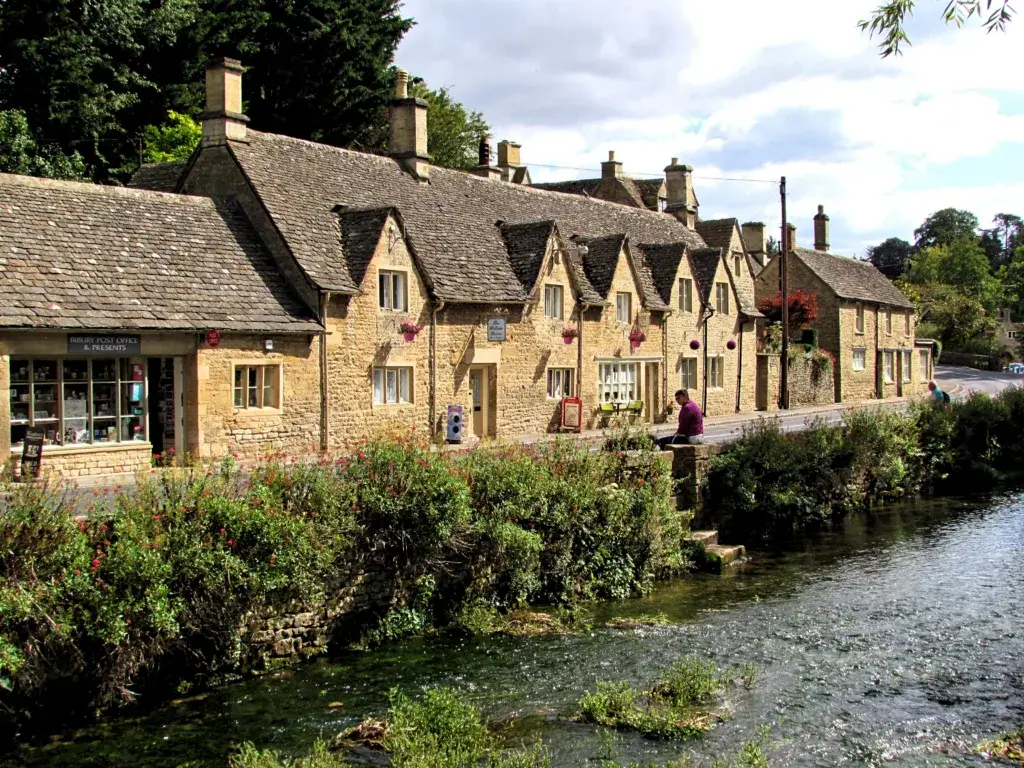
A large country estate is rarely one business. The same ownership might run a hotel or wedding venue, a sporting operation with a shooting lodge, let farmland, serviced offices in converted buildings, equestrian facilities and housing for staff. Each has its own fixtures, its own tax treatment and often its own entity.
We have completed claims on many estates across the UK, covering shooting lodges, staff accommodation, serviced offices, hotels and equestrian facilities. The value usually sits in the buildings that were bought, converted or refurbished, and it is rarely claimed because no one has looked at the estate as a whole.
We start by mapping which business uses which building, then survey and value the qualifying fixtures in each. The claims are sequenced across entities and year ends so the £1m Annual Investment Allowance is used where it gives the most relief. There is no fee if we can’t identify previously unclaimed allowances.
Claims completed on estates
Every business on the estate, surveyed once
Shooting lodges
Staff accommodation
Serviced offices
Hotels
Equestrian facilities
Several buildings or entities? Our portfolio review screens them all first.
What qualifies
Items we claim in estates
Commercial kitchens in lodges and venues
Heating, including biomass and ground-source systems
Electrical and lighting systems
Hot and cold water systems
Bathroom and en-suite fittings in let accommodation
Serviced office fit-out and data cabling
Stable fit-out, horse walkers and arena lighting
Fire alarms, security and CCTV
Solar PV and EV charging points
Gun rooms and game larders: security and refrigeration
Main rate pool (14%) or AIAIntegral feature: special rate pool (6%) or AIA
Plant in a dwelling-house let as part of a property business is excluded. Staff accommodation, lodges and cottages need care: a building used in a trade, or communal accommodation that is not a dwelling, can still qualify. We review each building’s use before it goes into the claim.
One AIA across related businesses
s51A–51N CAA 2001
Companies under common control in related businesses share one £1m Annual Investment Allowance. On an estate with several entities, deciding where the AIA goes is worth as much as finding the expenditure.
Conversions and new buildings
s270AA CAA 2001
Converting barns into offices or building new lodges earns the Structures and Buildings Allowance at 3% a year on the construction cost of the shell, alongside plant allowances on the fixtures inside.
Buying or selling part of the estate
s187A, s198 CAA 2001
When a hotel, farm or lodge is sold off, a s198 election fixes the value of the fixtures between seller and buyer. Agreed before exchange, it protects allowances on both sides.
Embedded allowances need a property survey, a valuation and specialist tax knowledge. Most accountancy firms claim invoiced items such as furniture and computers, but don’t have the surveying resource to identify fixtures built into the fabric of a building.
Does a claim affect Capital Gains Tax?
Allowances are not deducted from the cost of the asset when calculating a gain (s41 TCGA 1992), so a claim cannot create or increase a chargeable gain. They can restrict a capital loss, and on a sale the s198 election decides what passes to the buyer, so plan it into the transaction.
What if HMRC questions my claim?
Every claim is documented to stand up to scrutiny, and we support you throughout any HMRC enquiry. To date every report we have submitted has been approved.
Are there any hidden costs?
No. If we can’t identify previously unclaimed allowances, there is no fee. Full fee terms are set out in our engagement letter.